

Airflow
Find precision tools for measuring and balancing airflow in HVAC systems. This category includes flow hoods, manometers, anemometers, static pressure tips, hole plugs, and related TAB (Test, Adjust, Balance) instruments. Built for field technicians, these tools help you accurately assess airflow, pressure differentials, and system balance on residential, commercial, and industrial projects.
-
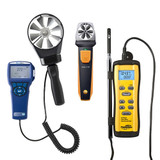 Anemometers (vane and hot-wire)
-
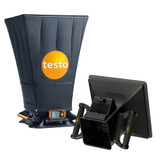 Airflow Hoods
-
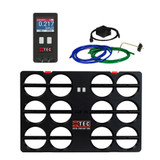 Digital TrueFlow®
-
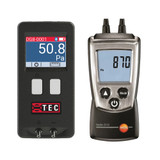 Pressure Manometers
-
 Measuring Airflow Tips and Techniques
-
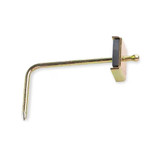 Pitot Tubes & Static Pressure Tips
-
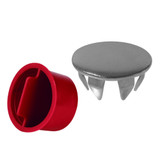 Airflow Measurement Accessories
What tools does an HVAC technician need to measure and balance airflow?
To accurately measure and balance airflow in HVAC systems, technicians rely on a combination of instruments designed to assess air volume, velocity, and pressure, ensuring proper system performance and comfort.
- Flow Hoods / Capture Hoods: Measure supply and return air volume at diffusers and grilles
- Anemometers: Measure air velocity in ducts or open areas (hot wire or vane)
- Manometers: Measure pressure differentials and static pressure in ductwork
- Static Pressure Tips / Pitot Tubes: Provide accurate readings of duct pressure and airflow velocity
- Hole Plugs: Seal unused probe ports to ensure accurate measurements
- Airflow Balancing Kits: Combine multiple instruments for complete TAB (Test, Adjust, Balance) workflows
What is a flow hood used for?
A flow hood (also called a capture hood) measures the volume of air flowing from supply registers and return grilles. It helps technicians verify that airflow rates meet design specifications and balance requirements during installation and service.
How does an anemometer differ from a flow hood?
An anemometer measures air velocity at a point, typically in ducts or open airflow paths, while a flow hood measures the total airflow volume across a diffuser or grille. Both provide valuable data for diagnosing performance issues.
What's the difference between hot wire and vane anemometers?
Hot wire anemometers measure air velocity using a heated sensor, which is highly sensitive and ideal for low airflow or precise measurements in small ducts. Vane anemometers use a rotating fan to measure airflow and are better suited for higher volumes, larger ducts, and general-purpose airflow assessments.
Why are static pressure tips important?
Static pressure tips are used with manometers to measure pressure differentials in ductwork. These readings help identify restrictions, leaks, or fan performance issues that affect airflow and overall system efficiency.
When should I use a manometer?
Manometers measure pressure differences between two points, such as across filters, coils, or duct sections. They are essential for diagnosing airflow restrictions, verifying static pressure, and ensuring system components operate within proper parameters.
What are hole plugs used for in airflow measurement?
Hole plugs seal unused static pressure probe or pitot tube ports to prevent air leaks that could skew measurements. This helps ensure accurate and repeatable readings when assessing duct pressure and velocity.
Can these tools be used for both residential and commercial systems?
Yes. Airflow measurement tools like flow hoods, anemometers, manometers, and static pressure tips are suitable for residential, commercial, and industrial HVAC systems. Choosing the right tool depends on the measurement type, range, and system scale.